
SIL & STA Accommodation in Melbourne
NDIS supported accommodation with vacancies across Melbourne’s west and south east. SIL homes and short term stays with 24/7 support.
Find Disability Care Today
- 5 Stars Service Rating
Specialist Disability Accommodation
Supported Independent Living
Short Term Accommodation
SUPPORTED INDEPENDENT LIVING (SIL)
ACCOMMODATION FEATURES
Every accommodation is designed with residents’ unique needs in mind. Our homes feature:
Your own private bedroom
a calm retreat that's all yours
Individual toilet rooms
for extra convenience
Spacious open-plan living areas
perfect for socialising and activities
A warm, welcoming vibe
that truly feels like home
Wheelchair-friendly shared bathrooms
for easy, safe access
Whole-home climate control
to keep every room comfortable year-round
Covered outdoor zones
where you can relax in the fresh air, rain or shine
...and many more thoughtful touches
designed around you
Supported Independent Living (SIL) in Melbourne
We’re a registered NDIS SIL provider in Melbourne with homes across the western and south-eastern suburbs. Our SIL accommodation is designed for people who want to live independently with the right level of daily support built in.
This isn’t temporary. It’s your home. Your name on the lease, your routine, your rules — with support workers there when you need them, not hovering when you don’t.
What SIL With MyCare CSS Looks Like
You get your own private bedroom in a shared house, usually 3–4 people. The living areas are shared, but we don’t just throw people together and hope for the best. We actually pay attention to whether personalities, routines, and preferences match.
Support is available 24/7, but that doesn’t mean someone’s watching your every move. It means there’s always a support worker in the house if you need help with personal care, medications, cooking, or if something comes up. For some people, that’s active support throughout the day. For others, it’s more like having a safety net in the background.
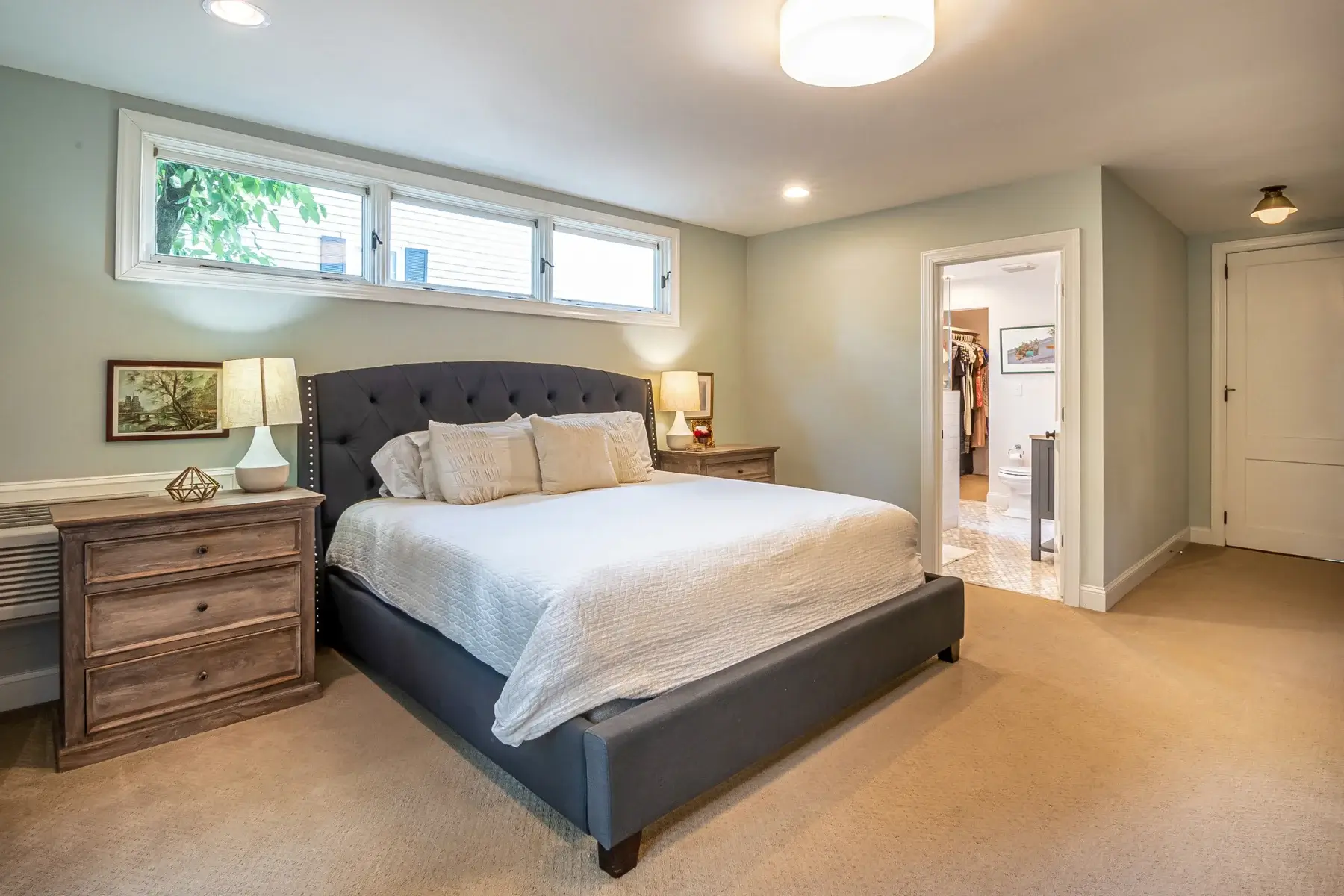
What's Included in Our SIL Homes
Your own private bedroom, a calm, personal space that’s yours.
Wheelchair-accessible shared bathrooms.
Spacious open-plan living and kitchen areas.
Whole-home climate control in every room.
Covered outdoor areas for fresh air, rain or shine.
Individual toilet rooms for extra privacy.
Fully furnished communal spaces
Internet and utilities included
NDIS Short Term Accommodation in Melbourne
A safe, welcoming home away from home for NDIS participants and their families across Melbourne. Whether you need planned respite, emergency accommodation, or a supported short-term stay – MyCare CSS is here for you.
Who SIL Is For?
People who need daily support but want to live as independently as possible. Maybe you’ve been living with family and you’re ready to move out. Maybe you’re in a group home that doesn’t feel like home anymore. Maybe your support needs have changed and your current setup isn’t working.
You’ll need SIL funding in your NDIS plan under Core Supports. If you’re not sure whether you have it, we can help you check. If you don’t have it yet but think you need it, we can point you toward the right conversations to have with your planner or support coordinator.
Areas We Cover
We’re a Melbourne-focused SIL provider with homes in the western and south-eastern corridors. Our current supported independent living vacancies are in Melton, Melton West, Broadmeadows, Craigieburn, Truganina, Werribee, Tarneit, Narre Warren, Pakenham, and Cranbourne East. We’re also expanding into Epping and Wyndham Vale — contact us for the latest availability.
Short Term Accommodation (STA) in Melbourne
Sometimes you just need a break. Or your carer does. Or something unexpected has happened and you need somewhere safe to stay right now. That’s what Short Term Accommodation is for — stays of up to 14 days with full support included.
Short term accommodation in Melbourne – sometimes called respite or STA – is NDIS-funded support that gives participants a comfortable place to stay away from their usual home for a short period. It is designed to provide a meaningful break for both participants and their informal supports, such as family members and carers.
NDIS participants can typically access up to 28 days of short term accommodation per year, in stays of up to 14 consecutive days. Your STA funding sits within the Core Supports category of your NDIS plan and covers accommodation, meals, personal care, and supervised activities during your stay.
At MyCare CSS, our short term respite in Melbourne is much more than a bed. Every stay is tailored around you – your goals, your support needs, and your preferences. Whether you are trialling independent living, recovering after a hospital stay, or simply need time to recharge, our team ensures you feel supported every step of the way.
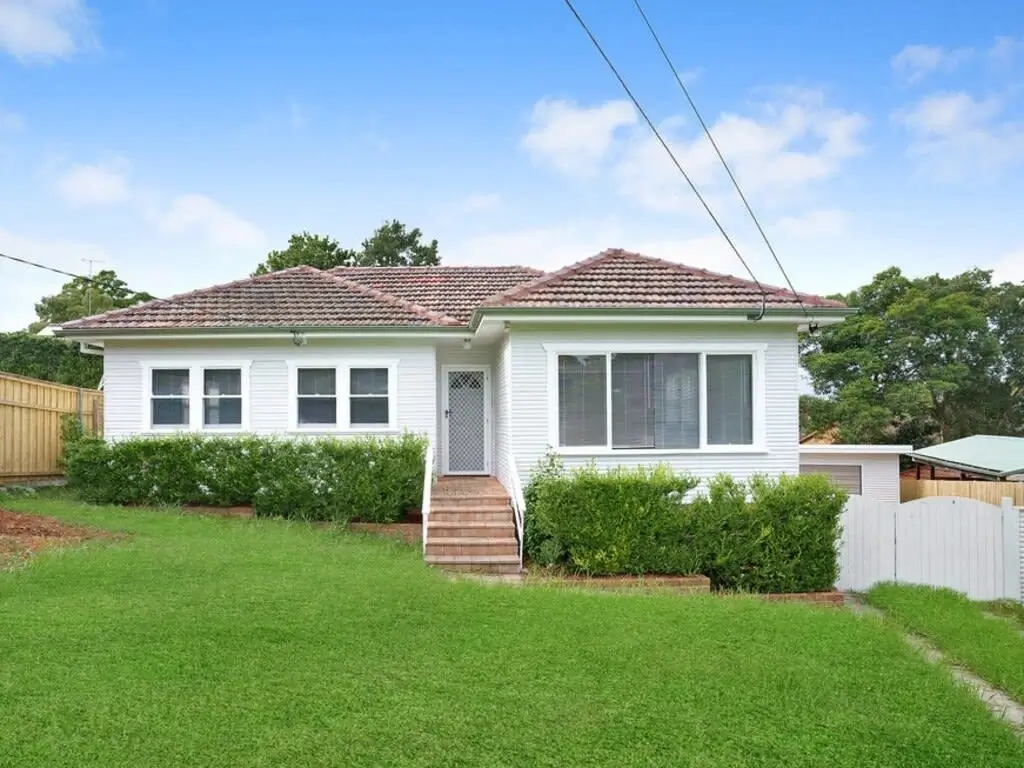
Planned & Emergency Respite Accommodation in Melbourne
Planned Respite
Sometimes you simply know a break is coming. Perhaps your carer is heading away, or you want a supported weekend in a new environment. With planned respite through MyCare CSS, you book ahead (typically two to four weeks’ notice), choose your dates, and we take care of everything else. All meals, personal care, activities, and 24/7 support are included. You bring your clothes and medication – we handle the rest.
Emergency Respite
Life does not always give advance warning. A family emergency, a carer’s sudden illness, or an unexpected housing situation can leave you needing somewhere safe right away. Our emergency respite accommodation in Melbourne is designed for exactly these moments. Contact us and we will work to place you within 24 to 48 hours, with full support from the moment you arrive.
How STA Is Funded
STA comes out of your Core Supports under “Assistance with Daily Life.” Most plans allow up to 14 nights per year, though some people receive more based on their circumstances. Not sure what’s in your plan? Call us on (03) 9702 7962 and we’ll walk through it with you over the phone.
What Happens When You Enquire
Step 1: You fill in the form or call us Takes 2 minutes. We ask what you’re looking for, where you want to be, and what your NDIS plan looks like. If it’s an emergency, call — forms take too long.
Step 2: We call you back within 24 hours Usually sooner. We’ll have a proper conversation about what you actually need, not just what ticks boxes on a form. We’ll tell you straight whether we’ve got something suitable.
Step 3: If it’s a match, we organise viewings Come see the property. Meet the housemates if it’s shared SIL. Ask whatever you want. Bring your support coordinator, a family member, whoever makes you comfortable.
Step 4: You decide if it feels right No pressure. If it’s not the right fit, we’ll suggest other providers who might work better. If it feels good, we coordinate with your NDIS planner to get everything finalised.
Step 5: Move-in support We help with the transition. Introductions to support workers. House routines explained. First week is about settling in, not overwhelming you.

Who Can Access NDIS Short Term Accommodation in Melbourne?
Our NDIS respite care in Melbourne is available to participants who live with or receive daily support from informal carers. STA may be funded in your plan if:Your carers need a temporary break to sustain their ongoing caring role
- You want to experience supported living before committing to a permanent arrangement
- You need emergency respite in Melbourne due to an unexpected family crisis or carer illness
- You are transitioning between homes and require a safe, disability-friendly place to stay
- You have specific disability-related support needs that require a change of environment
Not sure if you qualify? Our team can review your NDIS plan with you and help determine whether STA funding is available or how to request it at your next plan review.
- SIL (Supported Independent Living) is permanent accommodation — you live in a shared house with 24/7 support as your ongoing home. STA (Short Term Accommodation) is temporary stays of up to 14 days, used for respite, emergencies, or trialling independent living before committing.
Yes. SIL funding sits under Core Supports in your NDIS plan. If you’re unsure whether you have it, call us and we’ll help you check. If you don’t have it yet, we can guide you on how to request it at your next plan review.
Call us on (03) 9702 7962 or use the enquiry form on this page. You can also visit our Referrers page for the referral process. We respond to all coordinator enquiries within 24 hours.
Yes. Our properties feature wheelchair-friendly bathrooms, wide doorways, and accessible common areas. Specific accessibility features vary by property — ask during your inspection.
Call us directly on (03) 9702 7962. If we have STA availability, we can often arrange placement within 24–48 hours. Don’t wait on the form for emergencies — pick up the phone.
Absolutely. We have SIL homes in Melton, Broadmeadows, Craigieburn, Truganina, Werribee, Tarneit, Narre Warren, Pakenham, and Cranbourne East. Availability varies, so enquire early for your preferred location.